

Center for
Transformative Health (CTH)
Research that moves. Communities that lead
Our Approach
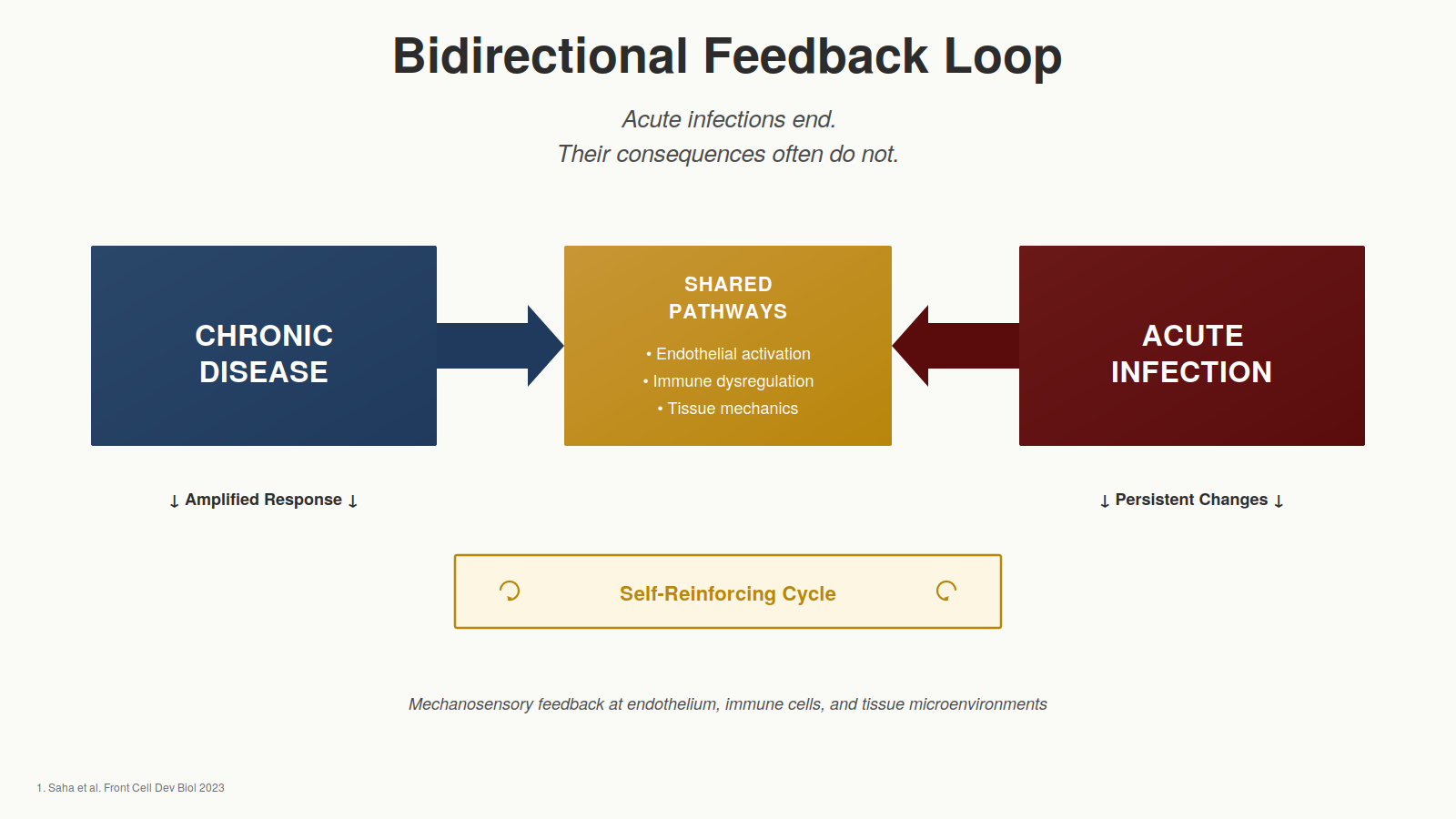
The Center for Transformative Health works to transform health outcomes for communities the public health system has not adequately served. Anchored at Texas Southern University, we conduct community-engaged epidemiological and translational research that produces the evidence, frameworks, and infrastructure Houston's communities need to understand and respond to the conditions shaping their health. Our work spans infectious disease, chronic disease, and the structural systems that connect them — and through our translational arm, the Institute of Urban Public Health, we partner with communities to turn research into action.
VITAL SIGNS BLOG


Our Objectives

Measure
Establish and operate community governed measurement of structural health conditions in Third Ward and Sunnyside that no federal, state, or county system currently captures.

Deliver
Deliver chronic disease screening, education, and support services in the neighborhoods we measure, and build the qualifications to compete for public health contracts as those programs mature

Transfer
Transfer measurement capacity, data ownership, and interpretive authority to community institutions so that they persist beyond any single award
Upcoming events.
Please join us at anyone of our upcoming events.

COVID Research Institute
Your trusted resource for the latest in COVID-19 research. We are at the forefront of studying the virus, developing solutions, and sharing insights to navigate the ongoing pandemic.

Our Research
Driving innovation in public health through cutting-edge research and impactful initiatives. Explore our projects and learn how we are transforming health outcomes for diverse populations.